
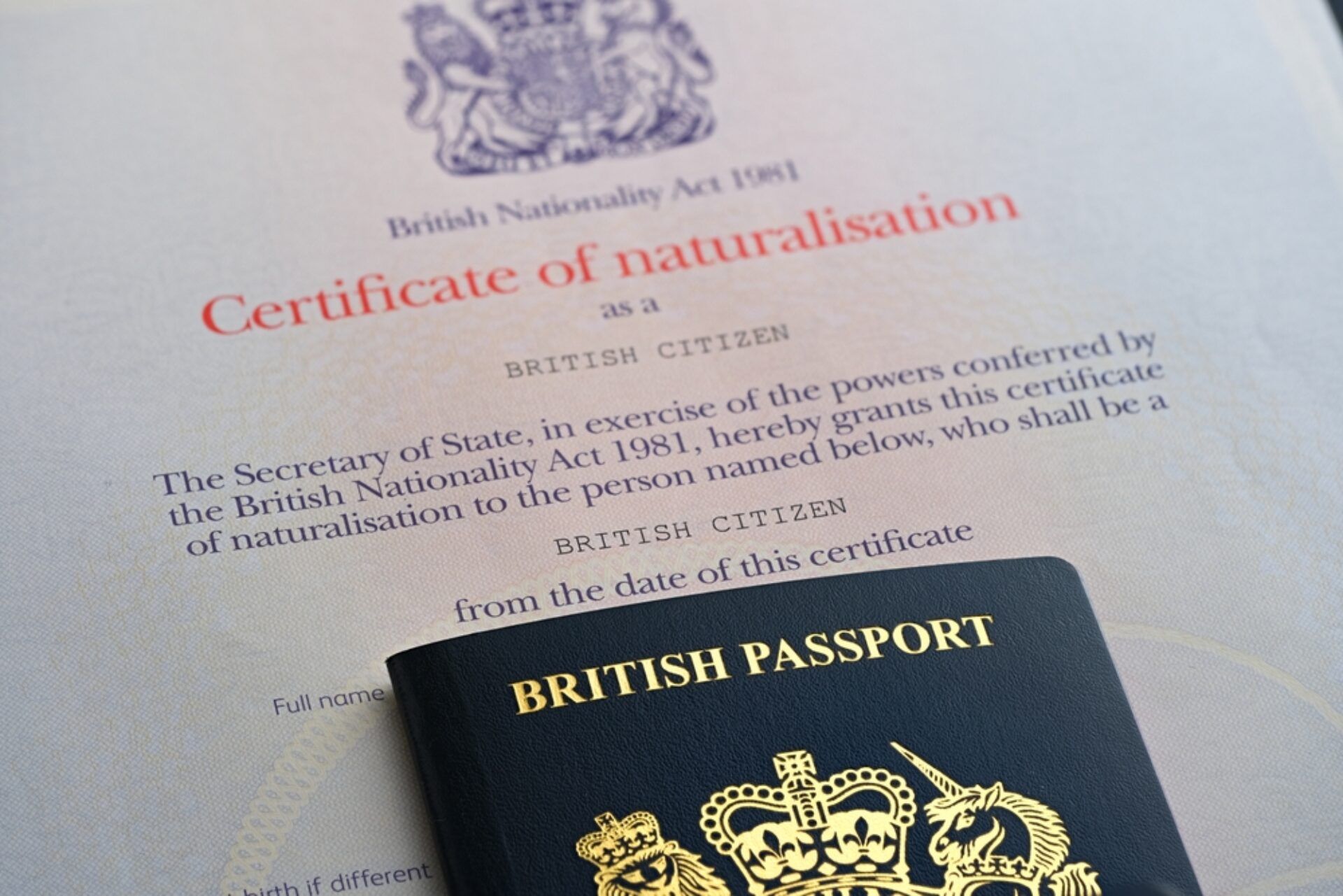
Naturalisation is one of the most common routes for individuals who have been living in the UK for many years to obtain British citizenship. Once an applicant successfully becomes a British citizen, they gain access to a range of additional rights and benefits associated with British nationality.
ㅤ
Under the British Nationality Act 1981, there are clear requirements regarding the number of days an applicant may spend outside the UK before applying for citizenship. However, the legislation also allows caseworkers to exercise discretion in certain circumstances.
ㅤ
This means that even if an applicant exceeds the permitted absence limits, the application may still be approved if sufficient justification and evidence of strong ties to the UK can be provided.
ㅤ
General Residence Requirements for Naturalisation
In most cases, applicants must first obtain Indefinite Leave to Remain (ILR) before they can apply for British citizenship.
ㅤ
However, spouses or civil partners of British citizens may apply for naturalisation immediately after obtaining ILR, provided they have completed three years of residence in the UK.
ㅤ
There are many different routes through which applicants may obtain ILR, including work visas, spouse visas, representative of an overseas business visas, investment routes, entrepreneur visas, the EU Settlement Scheme, Global Talent visas, and Innovator visas.
ㅤ
In addition, individuals who have lawfully lived in the UK for ten years may also qualify for ILR under the long residence route.
ㅤ
Absence Requirements for Naturalisation
Residence is one of the key requirements for British citizenship, as it demonstrates that the applicant has established strong connections with the UK.
ㅤ
The Home Office will normally assess two main periods when reviewing absences:
ㅤ
• Total absences during the 5-year or 3-year qualifying period
• Absences during the 12 months immediately before the application
ㅤ
The requirements differ depending on the applicant’s circumstances.
ㅤ
Standard Applicants
ㅤ
Applicants must normally have lived in the UK for 5 years, with total absences not exceeding 450 days, and no more than 90 days outside the UK in the 12 months before the application.
ㅤ
Spouses of British Citizens
ㅤ
Applicants must have lived in the UK for 3 years, with total absences not exceeding 270 days, and no more than 90 days outside the UK in the final 12 months.
ㅤ
For most applicants, this means living in the UK for 5 years, obtaining ILR, and then waiting a further 12 months before applying for naturalisation.
ㅤ
Calculating the Lawful Residence Period
To determine the earliest date on which you can apply for citizenship, you can usually calculate it by adding the required residence period to the date you first began living in the UK.
ㅤ
The earliest application date is generally the day before the corresponding anniversary.
ㅤ
For example, if you began living in the UK on 2 March 2015, the earliest date you may normally apply would be 1 March 2021.
ㅤ
According to nationality legislation, the day you leave the UK and the day you return are not normally counted as absence days.
ㅤ
Only full days spent outside the UK are counted.
ㅤ
When Total Absences Exceed the Limit
If the total number of absence days exceeds the standard limit, the Home Office may still exercise discretion in certain circumstances.
ㅤ
For example:
ㅤ
• If absences exceed the limit by less than 30 days, this will normally not affect the outcome.
ㅤ
• If absences fall between 480 and 900 days (or 300–540 days for spouses of British citizens), applicants may still be considered if they can demonstrate strong ties to the UK.
ㅤ
Evidence may include:
ㅤ
• Property ownership in the UK
• Employment history
• Family members living in the UK
• Financial and economic ties
ㅤ
Applicants may also need to demonstrate additional factors, such as:
ㅤ
• Limited absences in the most recent years
• Accompanying a British spouse working overseas
• Overseas travel required by employment
• Compelling professional or compassionate reasons
• Travel disruption due to the COVID-19 pandemic
ㅤ
When Absences in the Final Year Exceed 90 Days
A common issue arises when the total absence requirement is met, but absences in the 12 months before the application exceed 90 days.
ㅤ
In such situations, the application will not necessarily be refused automatically. Caseworkers may still consider the circumstances and exercise discretion.
ㅤ
For instance:
ㅤ
• Absences between 91–100 days usually have minimal impact
• Absences between 101–180 days may still be acceptable if overall absences remain within the main limits
• Longer absences may require stronger evidence that the UK remains the applicant’s primary residence
ㅤ
If absences are significantly higher than these ranges, it is often advisable to delay submitting the application until the requirements are fully satisfied.
ㅤ
Final Remarks
If your absences exceed the standard limits, it is important to carefully assess your situation before submitting a citizenship application. In some cases, a well-prepared explanation and supporting evidence may allow the Home Office to exercise discretion.
ㅤ
ㅤ
This article is provided for general informational purposes only and does not constitute legal advice. Each case is different, and applicants should seek professional advice based on their individual circumstances.